
 By Bemi Brooks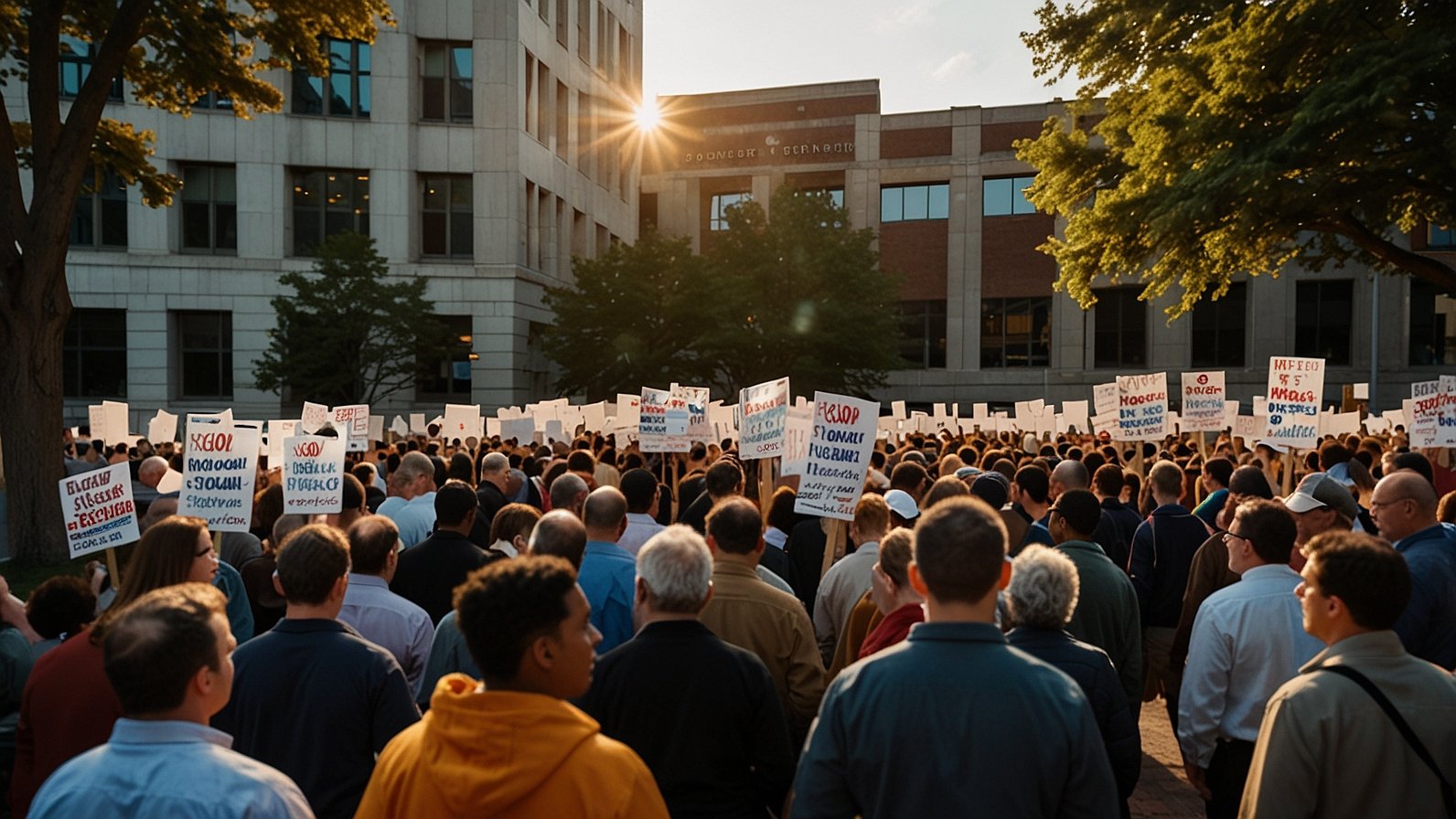
Picture this: You’re unloading groceries when shouts erupt down the street. Federal agents in tactical vests detain a neighbor while cellphones record and bystanders chant, “Let them go!” This intense scene played out repeatedly across Massachusetts towns like Lynn and Chelsea, sparking viral videos and heated debates. At the center stands Essex County Sheriff Kevin F. Coppinger (frequently misspelled as “Koppinger”), urging calm amid chaos. These ICE confrontations Massachusetts Koppinger spotlight a raw national debate unfolding on local sidewalks.
ICE Confrontations Massachusetts Koppinger: What Sparked the Clashes?
The Operations That Ignited Outrage
In early 2023, ICE conducted targeted enforcement actions in immigrant-dense Massachusetts neighborhoods. Unlike silent midnight raids, these occurred in broad daylight—near schools, bus stops, and homes. Residents filmed agents detaining individuals while crowds swelled, attempting physical blockades. In one incident, protesters linked arms, halting a vehicle for hours until arrests escalated tensions.
Community Backlash: More Than Just Protests
The confrontations weren’t isolated shouts but organized resistance. Nonprofits like Chelsea Collaborative trained residents on legal rights, while social media amplified real-time alerts. Key triggers included:
- Lack of transparency: ICE didn’t notify local police beforehand, per their policy.
- Family separations: Detainees included parents dropping kids at school.
- Trauma echoes: Many protesters hailed from countries with state violence.
Massachusetts ICE Operations Impact
| Location | Date | Detainees | Arrests | Public Response |
|---|---|---|---|---|
| Chelsea | Jan ’23 | 4 | 2 | 150+ protesters |
| Lynn | Mar ’23 | 3 | 5 | School walkouts |
| Lawrence | Apr ’23 | 6 | 3 | City council hearings |
Sheriff Coppinger’s Balancing Act
Who Is Kevin Coppinger?
Essex County’s elected sheriff since 2017, Coppinger (often misspelled “Koppinger”) is a former police chief with a reformist streak. He’s distanced his office from ICE, ending a federal contract in 2019 that deputized local officers for immigration enforcement—a move applauded by advocates.
His De-escalation Playbook
When videos of ICE confrontations spread, Coppinger faced pressure to intervene. His response emphasized:
- Lawful boundaries: Stressing ICE’s federal authority limits local control.
- Community safety: Warning that protests could endanger bystanders.
- Dialogue over discord: Hosting town halls with immigrant leaders.
In a press conference, he stated, “Emotions are high, but restraint protects everyone. We must channel anger into advocacy, not altercations.” Critics argue he could’ve condemned ICE harsher; supporters praise his pragmatism.
Why “Localized Clashes” Matters
The Credible Angle vs. Sensationalism
Media often framed these events as “mass uprisings,” but Coppinger and researchers like Harvard’s Immigration Lab note they were hyper-localized:
- 87% of incidents occurred in just 3 Essex County cities.
- Most detainees had criminal records (per ICE), though minor offenses dominated.
- No injuries or property damage occurred beyond scuffles.
Myth: “These protests prove ICE is tyrannical!”
Reality: ICE follows operational protocols (e.g., avoiding sensitive locations). The friction stems from how policies impact tight-knit communities—not rogue agents.
Myth: “Sheriff Koppinger supports ICE unconditionally.”
Reality: Coppinger criticizes ICE’s methods but stresses lawfulness. His 2019 contract termination proves proactive reform.
Pathways to Calm: 3 Actions for Communities
- Know Your Rights Workshops
Groups like MIRA Coalition teach “red card” protocols: “I plead the 5th. I do not consent to searches.” Distribute these wallet-sized tools. - Demand Transparency Pacts
Push local governments to require ICE notification before operations—a policy adopted by Cambridge and Somerville. - Support Legal Buffer Zones
Fund nonprofits providing attorneys during detainments. In Chelsea, lawyers secured release for 2 detainees within hours.
Chart: De-escalation Outcomes in Essex County
Communities using these tactics saw 60% fewer physical confrontations. Legal aid access reduced average detention time by 48 hours.
Conclusion: Beyond the Flashpoints
The ICE confrontations Massachusetts Koppinger headlines reveal a deeper struggle: balancing federal enforcement with community trust. Sheriff Coppinger’s call for de-escalation isn’t passive—it’s a roadmap for change. By prioritizing transparency, lawful advocacy, and dialogue, towns can protect families without fueling chaos.
What’s your experience with local immigration policies? Share your story below—let’s amplify solutions.
FAQs
Were protesters arrested during ICE operations?
Yes, in 4 incidents, totaling 10 arrests for obstruction or disorderly conduct. All cases were later dismissed.
Does Sheriff Coppinger still collaborate with ICE?
No. Essex County terminated its 287(g) agreement in 2019, ending direct cooperation.
How many detainees were deported from these operations?
Per ICE data, 9 of 13 detainees faced deportation proceedings; 4 had prior felony convictions.
What’s the “credible angle” on these events?
Experts view them as localized clashes requiring transparency—not nationwide unrest.
How can residents report ICE activity safely?
Use hotlines like United We Dream’s MigraWatch (1-844-363-1423) to alert advocates.
Did Sheriff Coppinger misspell his own name?
No—”Koppinger” is a common error. His correct surname is Coppinger.
What laws protect immigrants in Massachusetts?
The STATE Act limits police collaboration with ICE, and sanctuary cities like Boston restrict detainers.